In 2020, I moved to Bristol, UK. Bristol is a city that sits almost on the coast. So, that means that my Mission45 was almost completed. I can see the water if I go to the famous Sea Walls in Bristol Downs. Brown, not very inviting water of the Bristol Channel, and the charming town of Portished, where I frequently drink coffee and have an overpriced pastry in Mokoko.
My mission was almost completed. Bristol is almost a city. I’m almost a writer. Are we there yet? Are we happy yet? Not quite. But there were many good things during this last transition:
I found a lovely house which feels like home, and I’m happy every time I get back home from the trip.
I wrote my first novel, which was (to my surprise) long-listed and short-listed for 3 most important book awards in my native country.
I became a permanent resident in this lovely country, which treats me quite well. There is also a lot of shit in this country, worth writing about. Stay tuned.
I traveled the world and the places I have not seen before: Asia, the Middle East, Latin America…
Some things did not change. I’m still doing my daily job. It pays for my home, my travels, and my writing. I’m my own patron; I pay for my own grants, retreats, and residences. I was even unintentionally promoted at work, against all odds. And my company treats me well. Can’t say a bad word about them. It’s just that my job looks a lot like palliative care of a very rich old person who can live for many many more years because they can afford it. While there is no tragedy in that situation, no one really enjoys it. Neither the caregiver nor the caretaker. It’s not fun. And I need some fun.
In my Mission55 posts, I will explore slightly different topics. I will write more about life in England and share more of my fiction. I’m still not ready to write a novel in English, but I feel it’s time to share some short stories. I will write about career, but from another angle—how to kill it and how to reinvent yourself. I will do a couple of social experiments and write about them. I will touch on books I’m reading, places I visit, and people I meet – but only if they trigger some interesting debate or thinking process. I’m not into travel blogging or bookstagramming.
Welcome to Mission55 – Life in Transition. I hope we will have a blast!
Since I’m raising two sons I’m reminded every day how important it is to set good foundation and basics for the good, successful and happy life. I recognize my own strengths and weaknesses in them, sometimes being very proud, sometimes scared to death. OK, most of the time scared to death. But I guess that’s normal for modern parenting and ambitious people.
When you start developing your career it’s also very important how you set your foundations. Not only in order to achieve success or not, but also in order to feel good and acquire the most wanted currency of the modern times – happiness.
Personally, I have decided not to chase happiness anymore because I have aspirations to become serious theater writer and I’m definitely writing much better while I’m miserable. So, I will not guide you toward happiness but you can find a lot of authors who will. With impermanent success.
I will try to explain how you set basics for successful transition or event better: for successful transitions during your life and career.
If you were reading some of my blogs earlier you might have noticed that I have several obsessions: creating amazing teams, telling good stories and proving that one can have several successful but very different careers during a lifetime.
In order to achieve the last one I must admit, there are couple of pre-conditions:
You need solid set of talents and capabilities that you can work on and develop. I’m sorry, but I will not be politically correct and say that everyone can have several careers. Some people can’t have even one. Some people should not have even one – although they have it.
You need to start pretty early and keep the pace because although human life is significantly longer than it was before, and yes you can start doing yoga at the age of 94 and become an instructor, it’s possible that you won’t have 100 years of life in front of you.
You need to learn how to manage transition well. Transition in the outside world, but more importantly transition inside of you.
Managing transition in the outside world is a complex topic. But managing transition inside of you is a diabolic topic. And a very sensitive one. And then we reach the key issue: how is your foundation set for this?
Trouble with foundations are that they are mostly set while you are not aware of it. For many things during your childhood. But if we focus on career and professional transitions they are set during your professional childhood and it would be nice to be aware of it. I was not. But somehow, I managed to survive. Not without scars of course.
The first very important thing is to learn how to change jobs. I don’t mean how to find a new job, but how to leave the previous one. It’s always hard to leave. That’s why people stay in bad relationships or continue living in devastated countries. Unless you don’t have any career aspirations (and in that case, you are not reading my blog anyhow) you will have to change a couple of jobs. The sooner you start, the easier it gets. It’s in a way like the first time you have sex. The older you are, the more worries you have. The younger you are – there is more chance to make a big mistake! But, luckily, what makes it different from sex is that the consequences are not as dramatic or lifechanging. I changed my first job because of the 150 Deutsche Marks more I got from another agency. It was 30% more. Later, the company I left started working on fantastic projects that I would really like to be a part of, but that’s life! At the new job, I got amazing career progress opportunities and it led me to my publishing career where I had the most amazing 7 years. Today I would also seriously consider 30% higher salary. You always need 30% more. But I value some other things much more. People I work with, for example. So, I’m not saying you should change your job when you are young because of that 30% higher salary. But if you feel like changing it for whatever reason – do it! Even if it’s going to be a mistake, you will learn how to manage that transition inside of you.
The second very important thing is to learn to keep a healthy distance. Distance from the job you do and distance from the people you work with. This is essential for future transitions. Nowadays I see many people who are posting on social networks only things related to brands they work for or projects they participate in. Not to mention how boring that is for the followers, but it shows that they didn’t manage to establish healthy distance from their work. I’m the first one to post things I’m working on online (when it’s legal) but can you imagine me 10 years ago posting photos of me with Story magazine in a coffee shop, in a bath, at the beach, again in a coffee shop, and again in a coffee shop, then in the office… Every Tuesday with every new issue… And believe me, I was over-dedicated to this brand! When it comes to distance from people – it’s not about being unfriendly or avoiding communication. While I’m writing this I’m just realizing that I’m going to have a drink sometime next week with 4 people from all the jobs I’ve mentioned and they were all 10+ years ago. So, I have a couple of friendships from my jobs. This also not about that old story: when we work we work, when we have fun we have fun. I think you should have fun while you are working (read my post about it). But distance is about making a clear agreement with yourself that people you are working with are not your closest friends or family. And you can’t treat them like they are. They might become one day, but until that day you work together. You don’t live together. This will prepare you for future transitions. Because, when you have to leave a job you are not leaving your best friends, a wife/husband and parents at the same time
If you learn those two things you are ready. Ready to start thinking about transition. And it’s still going to be hard. And it’s still going to hurt. But, you will be satisfied at the end of it. Until the next one…
Cheers to transition! Cheers to my last post in this setup. Next one will come together with redesigned Mission45 and with new bloggers who are going to join me on this journey called “Life in Transition”. They will have different topics, different views, different styles, but I’m sure you are going to like us even more!
After comparing carbon footprints for a couple of years – this time to see who has the smaller and not the bigger one (which is quite a new experience for top executives), big companies are now very much into diversity topic.
I will not waste any words or your time writing about the importance of real diversity in the workplace. Simply because some authors are writing about this important topic in a serious and well-researched way. As a person who has always had better cooperation with women and who hired more women than men during my career in all companies, I can only say that this topic is coming way too late to the stage. And of course, gender diversity is only one issue… It’s a shame it has to be a “topic” still.
My passion is creating amazing teams—for a very selfish reason. I felt so good when I was a member of amazing teams that I wanted to repeat that experience as much as possible. And the results were good as well. On the other hand, when I was not in a good team, I felt extremely miserable and demotivated. I guess I am no different from the majority of people.
But when I started analyzing what the key to my relationship with some of my best associates was, it was not about diversity. Of course, we were different in age, nationality, gender, and many other things, but we also had one key thing in common. We were self-made people, not coming from very privileged backgrounds, and achieving success against all odds.
When I expressed my wish at age 16 to enroll in the University of Arts after my 2nd year of high school, most people around me thought of it as a joke. Not just because I was very young, but because of a false perception that only kids of other artists could ever be accepted there. Only 8 people were accepted per year to the drama and scriptwriting department. I passed the first round, and the professors told me I was talented but very young. And then next year I was there. Among those 8. Against all odds.
Probably because I was so proud of my journey as the underdog, I liked working with underdogs so much later on. Medical nurse becoming media queen, introverted, silent guy with great marketing and communication mind, eccentric magazine editor becoming serious business guy, well-raised young man in the world of street-smart backstabbers… And many more examples of people with whom I had the most amazing working relationship. They all have one thing in common: they were underdogs and they succeeded. I started loving those types of projects as well. Of course, it was logical that brands like Elle and Cosmopolitan would work on the market, but when we decided to launch Sensa, most people said we were crazy. “It will not last 6 issues” was one of the comments. But it was about the great team of underdogs who did this mission impossible. (Note: Sensa quickly overcame in copy sales all monthly magazines in the company. I can’t comment on the current status since many years have passed, but I would not be surprised if that was still the case.
But this is all possible while you are, more or less, in an entrepreneurial environment, where you have certain influence and can pick people for your team.
The reality is different if you go to bigger systems and a huge company. In most cases, strange “diversity” will be implemented. Make a team of bad, solid, good, and excellent people. If the solid becomes good or excellent with your development efforts, offer it to other teams because they lack good and excellent. Don’t we all lack good and excellent? Why should I give my best people to other teams that are not capable of developing, primarily due to bad leadership and bad selection at the very beginning?
In my posts, I have mentioned a couple of times that I believe in the power of good selection. What is not done well in the recruitment process can’t be fully corrected later. You will never create a winning team if it’s wrong. You can create a solid team by putting much leadership effort and money into expensive training and team building. But well-selected teams don’t need team buildings. They might have retreats to celebrate big successes. Every day is like a team building for them.
And now with this “diversity” hype that is going to be misused and misinterpreted by the majority of big companies people will be forced to compromise even more. Aside from selecting their team members based on different political reasons, now they will have to take people based on the quotas that HQ has to deliver in order to be able to shoot a nice video and present amazing diversity figures at the annual shareholders assembly.
I want to work with people that I want to work with! And I don’t care if they are men or women, black or white, gay or straight, hipsters or red necks… I want to work with them because I feel fantastic every second that we spend together. I want to be inspired by their ideas, by their act, integrity, hard works, the fun they create… That’s the diversity I need!
Of course, that this is easy to say if you are about to create a team of 5 for your advertising agency. It’s definitely very hard to implement it in a huge company in any industry. I’m not a fool. I’ve worked for both kinds of companies. But what if big companies start with small steps by educating their mid management that diversity is not “oh, I have to take this lady we have lack of females in sale”. Big companies can start with small steps. Fire all people who are there to fake diversity. And invest into educating others how they can create real diversity in their own teams. Give leaders the empowerment to be real leaders, not to play silly games in order to hit the diversity KPI’s.
I will continue my efforts to play my game with the teams of underdogs. That’s my thing obviously. If you feel like one, send me a note. You never know what we can achieve in the future.
Cheers to diversity and cheers to underdogs! But real diversity and winning underdogs!
I don’t have a movie recommendation for this weekend, but I recommend some older episodes of The X Factor UK. There are many exciting moments when they put some people together and they create magic and a lot of money.
The biggest problem with talented people is the fact that during most of their lives they listen that they should behave as if they’re equal to others. I can imagine that those sophisticated educational systems like the one in Finland have a solution for this, but the rest of the world is a nightmare for talents.
I grew up in a post-communist – socialist – pre-war Yugoslavia. And I had actually quite a good teacher. She was very interested in working with talented kids and developing their talents. Of course, she didn’t have time or resources because she had to handle at least 15 problematic students with hard-core family situations. It was a dodgy neighborhood. She sent me once to an audition for a school choir. Which was a surprise because I was not known as a kid that can sing. The music teacher sent me back immediately. A few months later my teacher went to a major ear surgery. But she did her best! And I’m grateful. Because in most situations even if you are talented in something you will get signals that you should tone it down a bit and try not to upset those less talented around you.
Twenty years fast forward and you are in the business. International business. And you would say, of course, all companies want and support talented people. Do they? They only say they want and support talented people. In reality, they will do everything not to upset the mediocre majority by pushing forward the talented minority. Mostly due to the fact that people on top are in most cases nothing but average but extremely hardworking. Rarely are they very talented. So, they are confused and scared of anything different. They want to support what is similar to them and to maintain the system that made it possible for them to succeed.
As always, I like to illustrate this with a couple of real life examples.
Situation 1. A young, extremely talented student arrives for an interview. HR professional recognizes her amazing talent. But, mid-managers who should take her in their teams have doubts. Why do they have doubts? She asked them some tough questions. Obviously, many years have passed since some of their reports asked them some challenging questions. Because most of their reports are average and at the years go by, they became zombies. They don’t question anything. They just do.
Some people ask me for advice what to ask during their job interview. Because there is always this stupid part when the interviewer asks: Do you have some questions for us? My advice would be: ask something simple and not very smart – if you want to get the job. (Do you provide any learning opportunities is always a fantastic stupid question). Ask smart questions only if you are 100% sure that the person across the table is someone very smart and talented.
Situation 2. An extraordinary beginner is hired for a pretty basic position. After literary few weeks it’s obvious that this guy is 10x more talented than anyone else in the team and all his first line superiors. It’s also obvious that the job is ridiculous for him. But he has good working ethics. First talent review: a proposal to move this guy up and give him a better job. No! It’s too early. What would the others say? Some of them have been waiting for ages for a promotion opportunity. But they are not talented! Simple as that.
I still consider fast promotions of young and talented people, people that I have pushed for, to be some of my biggest successes. Most of them have brilliant careers today but what I consider even more important is the promotion of the principle that same rules should not be applied to everyone. And you would be surprised how big enterprises that stand as symbols of capitalism in many occasions react as communist’s systems of mid-20th century.
Of course, the logical conclusion is that talented people should not fit into big systems with mediocre standards. They should found their own ventures. And of course, many extraordinary people did exactly that. But I’m not writing this to reinvent the wheel or change the world. I’m writing it just to bring some ideas to my fellow colleagues from the business scene about different topics. So, can you imagine how much you can improve performance by treating talent in a different way? But not in the HR Talent Acquisition role that I see is very popular. I’m talking about pushing mid-management professionals to see talent in a different way.
Well, you will ask: How can they see talent in a different way when some of them can’t recognize it even if it bites them in the ass? It’s easy. Give them goals and targets to achieve. Sometimes not targets what to do but targets what not to do. In order to make space for those more talented.
If the concept is not clear, let’s discuss it. It’s not 100% clear to me as well. But I think there is something about it.
When someone who was very ambitious and who was very keen on vertical progress in his/her career decides it’s time to let it go – in a way it’s comparable with a top athlete losing a leg or suffering a major career stopping injury.
I’m aware it’s not completely comparable because health is more important, but mental health also counts, and personal impression on levels of pain and suffering are the only ones that count.
First of all, let’s discuss why someone would decide to leave hierarchical career progress behind. I’m going to list 3 main reason that I have witnessed so far:
Change of personal priorities – family vs. job. Unfortunately, still much more present among women and in this Eastern region compared to, for example, Benelux or Scandinavia.
When one’s career is not developing according to their plans for a long period of time. It becomes more and more obvious it’s not going to work out.
When one is facing big disappointments related to ethics, company culture and values needed for progress. Their illusions start falling apart.
To make it clear – I’m not discussing here situations of people being backstabbed, making major mistakes that ruin their career or having unrealistic ambitions that simply can’t be accomplished. I’m referring only to conscious decisions of professionals to take a different path or to change the focus of their efforts toward different direction.
The fact that the decision was conscious and not directly forced, doesn’t undermine the anxiety, stress and pain that is caused by amputating one important aspect of your ego and your self-perception such as ambition to reach very high levels in your career.
Two major lines of thoughts are dominant in that situation: Did I waste so many years of my life, sacrifice so much, and in the end, get nothing out of it? AND the second one: What’s next? Is this the end of the world? At least the world that I know. And, to a certain extent, love. .
My experience is that it’s not very easy to get out of this situation and way of thinking. It’s a vicious closed cycle that can drive you crazy in a very short period of time.
But let’s elaborate the first doubt: yes, you can see it as a waste of time, but you can also make a list of positive things that you are taking with you and that are staying with you forever: great people that you’ve met, skills you got, valuable life and business experience that you can apply in some other aspects of life, travels to some fantastic locations and at the end of the day, money that provided you with some important things in your life, including self-confidence, pride and dignity.
What is next? If you are not chasing new achievement and new title, maybe you should consider chasing new experiences, fulfilling some small dreams that were on hold due to your busy agenda for many years and finding new focus that can help you build new reality that fits much better into your new mindset and setup of your life.
What happens very often is that people are forced into ambitious behavior. Companies stimulate ambition because they believe that if they have ambitious employees they will work more and better. But this is not true. People who are ambitious but who streamline it into a wrong direction or set their goals too high, actually become unproductive, dangerous and toxic for the organization.
During the course of my career I rarely have had any issues with people who were not smart enough, not experienced enough or even not very nice characters. The biggest problem you’ll face is with people who have a discrepancy between abilities, their intimate visions and (sometimes forced) ambitions. So, do a double check. Maybe this was not your playground in the first place.
But if it was, and if now you feel like an elite runner at the peak of your career who ended up in a wheelchair you basically have two options. To sit and cry, feel sorry for yourself, and wait for a miracle. Or you can start working on strengthening your upper body and becoming a champion in bench press or work on the recovery of your legs – not with a goal to run on the Olympics again, but to dance at your friend’s wedding at least.
Sometimes it’s easier if some things just happen to you. If you don’t have to make any hard decisions. If you can blame someone else. But when you figure out that, during the biggest part of your life, this will actually be the case, then you can start to value much more the opportunity to be a master of your own destiny, even if it looks scary and simply too hard.
Cheers to courage to quit. Cheers to courage to face your biggest fears. And cheers to opportunity to redefine yourself and still be happy. Or even happier than before.
We are witnessing at the moment the ultimate battle for the right to continue to work from home. Permanently. Forever. And it’s everywhere. On LinkedIn and other social media, in webinars and internal comms platforms, small talks in office corridors or virtual corridors of Zoom and Teams.
I guess we imagined, that after the pandemic, the World is going to look completely different. The reality is that almost everything looks exactly the same. Of course, there are some changes to our everyday lives, mostly related to the increased use of deliveries and digital services, but it’s clear that we do not live in a completely different world compared to 2019. The notorious expression “new normal” proved to be obsolete. Just a silly buzzword.
One of the most significant changes during the pandemic was a switch to working from home. Forced one. COVID contributed efficiently to the big debate about flexible working environments, leaving not much of a choice. Of course, only for the professions that were lucky enough to have that option. And many people loved it. It provided many opportunities to change and improve a lifestyle and well-being. Personally, I know many people who started working from different locations, including beautiful sunny islands or quiet, scenic mountains. I know people who moved their houses far away from their expensive home cities and saved a fortune without having to commute on a daily basis. Social media platforms are full of those stories. When kids returned to school, flexible working policies provided parents with the opportunity to organize their lives more efficiently and less costly. Taking 15 minutes break to pick up a kid from school, instead of paying for two hours of child minding services, sounds like a gift. Or bonus to your salary. Although, I’m quite sure that hardly any parent would subscribe again for home-schooling of any kind if that’s a precondition to current benefits.
In this era of employer branding hype, many companies were quick to announce that they will keep most of the working-from-home perks even after the pandemic was over. Or kind of over. Let’s say: when we stopped talking about it and some other affairs occupied the media. But now, almost a year later, many companies are starting to re-think that flexibility due to different reasons. Fully flexible working policies are slowly becoming 50-50% policies. Instead of picking days when you will be in the office, “Office Tuesdays” or team days are introduced. Or we can even hear that some companies are fully back to working from the office.
This is a big debate, and I do not want to contribute to the general discussion about it, but I was quite impressed with two angles that employees are using at the moment to fight for the case of working from home being the “new normal” that we should keep.
The first angle is the sustainability angle. For over 10 years now we have been witnessing the pressure to introduce the sustainability concept in business. Rightly, I would say. It was much needed. Almost all big companies are having their ESG strategy and agenda. Some companies are embedding it into their DNA, culture, and purpose. Some others are just doing it for the sake of reports they have to submit to shareholders or regulators. But, like it or not, it’s on the agenda big time. Now, with the attempt to push people back into the office, one of the legit questions that I frequently see being raised is: “Is daily commuting in line with the company’s sustainability agenda?”. Is spending fossil fuel to come to work every day something that we should do, if we don’t have to? The same question can be asked about business travel. Is it needed at all? Or it’s just there for people who are having difficult times being at home, alone, or with their families? Is this a simple but very efficient test for the companies, to check if they walk the talk when it comes to their ESG approach?
The other angle of the “attack” or better say “defense” of the flexible working policies is – a wellbeing issue. Another corporate buzzword from recent years. Well-being or mental health is, of course, major global challenge. After trending in media and literature, they managed to find their place in the corporate world as well. Companies are providing coaching and counseling services to employees, meditation and praying rooms, or at least – mobile apps that can help you to manage your stress or anxiety. So, smart employees, who are able to articulate their arguments are saying: “If you are interested in my mental health, why are you forcing me to do things which are not good for it?” I have seen recently a post of a guy who is showing his photo of an exhausted, pale man in his mid-’30s from 3 years ago when he was commuting 3 hours every day, and a recent photo of a fresh, fit, smiling employee, who is able to work from home and to incorporate fitness and healthy nutrition in his everyday routine. I’m not sure if that was a genuine post or an employer branding campaign? If it was a campaign, it was a good one.
But the majority of people, keen to keep their work-from-home arrangement, are arguing for that old, overused phrase “It’s not important how many hours you work, it’s about the result you have”. While this might be correct in some cases, it is not always true. It is not in human nature to work more if they can work less. Very few people are eager self-starters and super motivated workers that require no supervision. After almost two decades of managing people on different levels and in different industries, and managing myself as well, I must say that majority will decrease their productivity if they are not supervised. And by supervised, I’m not saying just controlled. You can control people remotely as well, but I’m talking about long-term motivation, a relationship with your manager, or a connection that you have with a company that you are working for. Also, frequently, the quickest ones to claim that it is the result that counts, not the hours or working location, are the ones with average or below average results. Like you can find people who are talking about leadership all the time, being poor leaders in real life, or championing diversity and inclusion on social media, but actually giving a hard time or even mobbing their employees or colleagues in real life. Managing and leading people is complex. Doing that remotely is even more complicated. The idea that so many people could be good at managing remotely, at different levels of the organization, is simply – too ambitious.
Perks of working from home could be re-calculated and added to the salaries of the employees, in order to compensate at least some part of the 10% inflation, especially with current fuel prices. But, I’m not sure that this will be the key to the argument. For sure, many different companies will find different approaches, ranging from fully remote working to coming to the office every day. I’m more curious about the “values challenge”. Is this a good test for companies to check if they are genuinely dedicated to their sustainability and mental health agendas? Or is this just another buzz?
Would you say that last year was lost? Or was it a good year? Was it longer than usual? Or it looks like few days of the same routine in repeat mode? Would you change something now, if it would be March 2020 again? Will you change something in March of 2021?
When I was 16 years old, after 2nd year of high school, I made my first attempt to start studying at Faculty of Dramatic Arts in Belgrade. I passed the first round of the entrance exam. In the second round, it was clear I’m not ready yet. And one of the professors said to me in a very polite way: wait a bit, you are too young. When we are young, we don’t like to hear that we are too young. We want to be older. So, next year I tried again and I entered a drama and scriptwriting course, one year before my high school graduation. I stole one year. From someone. Or something. Or myself? I would never do it again, but that’s because I’m 41 now and I would like to be 17 again. The topic for another blog post.
Now, when we are approaching a full year since the global pandemic started and we are more or less locked and restricted across the world, it looks like we lost a year. We lost it because we were not able to live it in the way we would like to live it. We were not able to fulfill our goals. To stick to our plans. To do all those meaningful things that we would do during one year. And how it looks like at the moment, we might lose one more. Or even two more. I was thinking – OK, I saved one from my high school, I can afford to lose one. Typical thinking of a sick person. Sick of desire to achieve and to fulfill their life with accomplished goals. A disease I’m trying to cure much longer than COVID will stay on this planet.
Of course, I understand that many of you did your best not to lose a year in a professional sense. I will not comment now on a wedding or vacation plans. First of all – not all businesses were suffering. Some were blossoming. Also, not all of us had plans. Some people spend their whole lives without any plan or ambition. They work or not, eat, watch TV. Repeat. Their normal life plus face covering is their COVID life. But they are not reading this or any other blog. For ambitious people (like I am, but trying not to be) this was a proper nightmare. A new start-up was about to be launched, a new restaurant just had pre-opening, new service ready for customers, a new show about to kick off the tour… So many exciting things were put on hold. Some of them never to come back.
Facing the new reality of being locked or having very limited options to move, socialize and do business live, many of us switched to self-improvement mode. Online courses, new foreign languages, uplift of our communications skills, storytelling, Excel, maybe even some coding or design? But mostly with the idea that this will last for a couple of more months and that newly acquired skills will help us to be even better in our jobs when we continue full power forward.
I guess we have a different perception of time when everything is fine and when we are healthy, and now when the whole world is sick. We have a different perception of time and the importance of various things in our lives when we are sick. But most of us change nothing after we get better. In the best case, we stop smoking (if we had a heart attack) and change some nutrition habits. Maybe we start running? And drinking more water?
Maybe time became less relevant in the last 12 months? We were locked for months, we might be locked again. But it also became very clear that human life became quite long. We are aware of that statistically, but unfortunately, we became aware of it in a very ugly and disturbing way by the number of people older than 80 years who got COVID and died. If they are not our grandparents or parents, we hardly notice very old people. They live in most cases fairly isolated lives.
Isn’t this a good moment for the biggest transition of your lives? Time is fairly irrelevant now. Quite a normal conclusion when we are exposed to a huge number of deaths all around us. It’s also clear that the world will not be the same place. Many people at the moment do not suffer financially at all because their jobs are safe and they even have a surplus in their budgets due to lower spending. But this might change five or ten years from now, due to major changes that the pandemic is causing. Some people have already lost a lot.
What do you say, that instead of using all your energy to put your old professional life back together, you get a new one? What do you say that instead of self-improving and online courses you start a new university degree and a totally new career? If we are going to live 80 or 90 why not having two careers? If we are going to die in the pandemic much younger, isn’t it better to spend the last days learning something new and exciting?
It’s clear, we don’t have enough doctors. It’s not an easy road, but how many of you dreamt of becoming a medical doctor before life took you to a different path? Science. Science must regain its place in our lives. Not just to boost commercial innovation. But to boost sanity and trust. Or we will not survive. Can you help to spread the word of science after investing 10 or more years of your life into it? You can still reach high levels before age of 50 or 60. If that age number is important at all. We used to listen about 50s being new 20s when it comes to body shape, lifestyle, or party times. Can we use it for something better now? Art. Many people love art. But even more, people were not aware of it before art disappeared from our lives. Yes, online we were able to visit Louvre or listen to amazing online concerts during lockdowns. But are we really happy with that? Or we would like to see it and feel it live?
Now, when the time is even more relative than ever before, and when, for many of us, it’s cheaper than ever before, are we ready for the biggest transition of our lives? Let’s investigate this further in the Season 2 of the Great Pandemic.
In almost twenty years of my business career, I can’t remember a case when someone was fired for a mistake they made. Not only because some of the companies that I worked for thought that people should be allowed to make mistakes and learn from them, but more often due to fact that it was never clear whose mistake it was.
I must say, I have always worked in fairly big, multinational organizations, usually in some kind of a matrix structure. Probably things are different in smaller companies – especially the ones with owners being very keen on maximizing the performance and revenues for themselves in a very short period.
But, why are people fired from multinationals? Because they very often are. It might be due to a long-lasting underperformance. Mistakes are repeated over and over and over again. But if you reach a certain level in the structure: this can last for years. I know some examples where people were heavily underperforming for many years before they were dismissed. Or it happens because decision-makers simply do not appreciate some employees very much, and during re-organizations, they don’t see them anymore as a part of their teams. This can be also subjective and sometimes personal. Because everything human-related is always at least a bit subjective and personal.
I’m very much a lone rider. It’s in my nature. Writing, being my primary choice (unfortunately not a career as well) is a lonely job. But this doesn’t mean that I can’t be a team player. I had to learn a lot about being a good team player, and I have probably made a lot of mistakes. But still, today – I don’t like when teamwork is a cover for the lack of accountability, responsibility, and courage of single members. Especially the team leaders.
In matrix structures that we can all experience if we are working for big corporations, sometimes the teamwork is equaled to – no one’s accountability. And it goes across all layers.
CEO of the company usually has a supervisory board and sometimes also an advisory board. Also, very often CEO is hiring various consultancies – especially in difficult situations, major changes, and turn arounds. Unfortunately, I have seen many times that those consultants do not bring anything to the game apart from taking a shared responsibility with a CEO for a huge fee that the company is paying. Consultants always come with a disclaimer. They always ask you to sign that they are not responsible for anything. The very bizarre premise, I must admit, but for many years considered as totally normal.
Of course, I understand that word consultant means that someone is consulting you and not making decisions instead of you. And, I understand that at the bottom line, a consultancy should not survive on the market if they do a bad job. Word of mouth and their references should be their end goal. But, since most of the big companies are using consultancies with big names just to justify decisions in front of the shareholders and to split the responsibility – the final result is not influencing the reputation of the well-known consultancy firms.
So, quite strange but also quite convenient: you hire someone to share the responsibility, they say in the contract that they are not taking any responsibility, you present to your shareholders that you have hired best in class consultants, so they feel contented and they don’t feel responsible for your decisions, and you all get quite a lot of money for that. If things go well, you get A LOT of money. If they don’t go well – everyone is still getting quite some money. We have seen that in many banks, for example, which was collapsing due to very bad decisions of their boards and management teams, but CEO was still getting a huge bonus at the end of the year.
Let’s take a look at the level or few levels below this highly paid and highly privileged structure. In middle management, the most popular word of recent years is – alignment. In my previous company, this was by far the most used word. Which is strange because we were not in the construction or machinery business. This means that as many as possible people in the company structure should be involved in a certain project. Some of them will have a real role to play. Some of them will have an advisory role. Some of them will have no role to play at all. But, in many cases, they will feel obliged to contribute, because they are invited to participate. I guess I don’t have to underline how many unnecessary and irrelevant opinions and comments this creates. If you pack this well, you can call it collaboration. And, don’t get me wrong – collaboration is needed and in many projects, it is relevant to include more people and to have expertise from several departments of the company. That’s normal. But in many cases, project leaders like to include more people just to be able to split the responsibility and guilt in case that something goes wrong. “I was aligned with IT on this…”, “Public affairs were informed…”, “Marketing was present at the workshop…”.
When you are part of the middle management, quite fast it becomes clear for you if you will have or not the chance to progress further toward the top. If you will not have that chance, then your only goal is to survive as long as possible. To keep your good salary and a good bonus. And then, your goal is not to have too much responsibility because that is increasing your chance for mistakes. And then, you feel safe because you have this wrong perception that mistake will cost you a privileged position. But, actually, the fact that you are making yourself irrelevant by endlessly sharing responsibility and accountability with others – will eventually make you redundant in the first round of cost cuts or restructuring. My nature and character do not allow me to become irrelevant. Sometimes I would love that. Because it’s comfy and warm and you can feel happy. Less stressed and stretched. That’s probably the reason why I had the break between two jobs only when I explicitly asked to get 3 months before my new contract starts.
If we go further down the organization things become even more serious and worrying. I don’t know if it’s politicly correct to say “down the organization” – but I’m not talking about NGOs here, so yes – there is up and there is down in the corporation. Many job descriptions are simplified in recent years. This is because every company want’s to measure the contribution of individuals and departments.
Sometimes, to measure contribution and success, you need very simple KPIs. And it would be very good and convenient if one employee or department does not have a very complex role that would not be easy to measure. Also, to supervise people with more complex roles, you need quite good and skilled supervisors. Good supervisors are not easy to find or to develop. So, it’s much more convenient to reduce the roles and responsibilities of people to the very basic level, so that they can be easily trained, easily monitored, measured, and rewarded. And most of the people do not oppose that. I guess it’s in human nature to say yes if someone gives you less responsibility for the same amount of money. Instead of thinking and planning, you just have to do it. For a while, you feel quite good. You are not taking your work home, you get the feeling of accomplishment because you did good in your very basic tasks. What you don’t know at that particular moment that few years down the road, your role will be replaced with a cheaper service center in the 3rd world country or with an automatized software and/or robot.
We never had so many highly educated people in developed countries, and they never did so ridiculous jobs, like today. I’m always teaching my young team members that they should fight for complexity and more challenging tasks even if those tasks are overwhelming at that particular moment. But, unfortunately, many of them choose to perform simple tasks well, thinking that the successful accomplishment of tasks with less accountability will give them a good position in the company because they did not fail. Big mistake. At the end of the day, every company needs a critical percentage of people to move things forward. And they are not the ones who are scared of accountability.
I always admired editors-in-chief during the times when this was a real job. Before online statistics and brutal politics took the dignity from journalism. In my native language, the editor-in-chief was called “main and responsible editor”. And best ones were fully responsible for all the content of their publications. They knew that they can’t say: this was aligned with this or that department. What was in their paper was their responsibility from the main page to the last cover. And they enjoyed it.
As I repeat, over and over again, in movies and life everything is about timing.
To many of us, last year looks like good timing for – nothing!
People are getting sick, we are locked in our homes most of the time, the financial crisis is knocking on our doors.
But if I look back, to my life during the pandemic, it was far away from nothing.
I changed my job and moved to a new country. Moved to a bigger and nicer apartment. My son had a movie premiere and prime time TV show. He speaks very good English after just half a year in the UK. My other son found a perfect environment in his new school and my wife is opening amazing opportunities for her professional development in years to come. OK, maybe we were a bit lucky. Maybe this is just the harvesting of our work in previous years. The point is not to show how amazing we are (and we are amazing) but to underline that transitions are possible even when it looks like that the world has stopped.
But the biggest transitions are about to come. No doubt. The post-pandemic period will bring many changes. Unfortunately, not all of them are going to be positive. Many people will lose their jobs or switch to jobs that are below their qualifications and previous experience. But many new opportunities will be created as well.
It’s probably fair to say that the industries that have suffered the most, will have the better chance to rebound, simply due to people craving for the things that were restricted to them for a year or more, such as travel and live entertainment.
Due to restrictions that will, in various shapes and forms, stay in place for few more years, the first trend that I would like to underline are customized experiences. This was already present as a trend before the pandemic, but now more people will ask for it. How this makes sense if I just said that many people will lose jobs or be demoted? Well, unfortunately, in times like this, a smaller group will become even more wealthy than before, while the bigger group will go down the social ladder. Sounds familiar? Unfortunately, yes. People who were not hit by the crisis and who continued to earn the same or even more will be in a position and demand to spend some of their money. They would ask for something special, something big, something amazing that will give them a feeling of compensating for the lost experiences in the last year or so. If you can offer that kind of experience, I’m sure that you can also monetize it very well. Performers and producers – many times in history you were giving your talent, knowledge, and experience for little money or for free. Now is a time to make some cash.
The second big trend is mental health. I agree with many articles that we can read lately, that pandemic will cause more damage to the mental health of the population than what was the actual number of people who suffered severely from COVID-19. Unfortunately, it’s not so easy to count depressions, anxiety attacks, and other mental health conditions in the same way as you can count pneumonia cases and positive virus tests. Many people in the last 10 years switched their careers to some kind of coaching or counseling. Unfortunately, with a proliferation of educational opportunities in this area, we see many more fake experts and dilettantes with weekend course diplomas, and fewer real experts. The urge for mental health treatments will not be there for a year or two. It will be there for decades to come. So, what do you think about the following: instead of taking a weekend or two-months online course, enter a real psychology program at University? Investing three or four years of your life into a new degree might sound like too much, but I believe it can pay off and it will also be quite rewarding for you due to the help that you can provide to others. So many of you spend a year doing almost nothing due to circumstances. Three years – that’s just two on top. Pandemic may last two more years in this or similar shape and format.
The third big trend that I would like to mention is communication and public affairs. During the pandemic, two things became quite clear: most of the Governments can’t communicate with their people and most of the Governments interfered with people’s lives more than ever in history. North Korea and similar territories are excluded because they live it every day anyhow. None of the countries had a silver bullet for the pandemic. There was no medicine to cure it, there was no chance to freeze everything, not even for a day. Even the toughest lockdowns did not stop all the movement and social interactions. The World was (and still is) in the worst possible position – to be dependent on the personal responsibility of individuals. What a nightmare! It was clear – communication was the key to this situation. Better communicators provided a better environment for their citizens. Not just COVID wise, but also mental health-wise. At the same time, businesses around the world were restricted in a way that ones who were never in a war and who live in liberal capitalism, never saw before. It’s fair to say that many of those restrictions were necessary due to the health crisis. But, it’s also fair to say that Governments might like this option a lot. And might repeat it in the future, just packed more subtly. Companies will need experts to help them navigate the increasingly complicated playground of new regulation and state intervention when it comes to the private sector. Being suddenly able to restrict and control something that was out of your reach in the past, and you always wanted to control it – can be like a drug. Not so easy to get off.
I’m sure there will be many more opportunities in many different areas. But unfortunately, not everyone will be in a position to participate. Now is the time to buy your ticket. Stop crying and start planning.
Have you ever met a photographer who can also be a psycho-therapist? Or maybe a plastic surgeon who is also a fitness model? What makes you special and different at your job? Can you charge extra for that?
It was never easy to be the best in your profession or area of expertise. Everyone would do it if it were easy.
In showbiz, we see very often how demands can be set high, and how unfair the industry is. Mostly because it’s a cruel industry, but also because performers are exposed to the public in every possible way due to the nature of their job. Often it’s not enough that someone is a good actor or a good singer. We see that most of the top performers are at the same time fantastic actors, amazing singers, charismatic TV personalities, they look fantastic (some with, but some without the help of nip and tuck). On top of this, some of them can also direct or write, compose music, or dance like a pro dancer. Even with all listed above, success is not guaranteed and very often you will hear that what is needed on top is some kind of X factor. Something special, authentic, and unique that will make you stand out in the crowd of other amazing and almost perfect people.
What does this look like in “normal” jobs? Is it enough to be a good buyer? Good communications manager? Good dentist? Is it required to multitask too much? Are we now asked to be at the same time subject experts and exceptional leaders? Goal-oriented but mindful of the wellbeing of our associates? Or in the small and medium business zone – innovators and communicators? Micro-influencers and delivery guys? Chefs and accountants? Was it always like that? Or is it exposure to the public view, that we experience every day if we are active participants of the social media arena, something that changed the game in the last 10 years?
A while ago, an unusually high price for a photo session attracted my attention. I’m always happy when I see people who know how to earn good money with non-essential services. I do not appreciate expensive services when people are in need and when their health or lives are compromised. But I was also intrigued as to why a not-so-famous photographer with modest references can charge five times the average price for a portrait photo session? I started reading some reviews and details of the offer and talking to some customers, and I realized that this photographer is offering a therapy session. Photographs are just the convenient end product, but what is expected from the model to do and what the photographer is offering is much closer to counseling. Not the real psycho-therapy, but counseling and coaching session where therapartist (a new word that I have just invented) and client are working on anxiety, self-esteem, and self-respect. Boosting confidence in the best possible way. In years behind us, maybe it would be enough that you do a fresh haircut and put a nice new item of clothing on, and you could fix some minor issues that you have. Also, in the past, you would hire a photographer only for a very special event. But today, when we are broadcasting our lives 24/7 and we have to do many things in parallel to keep our complicated lives on track – your photos must step-up and at the same time, you must do something for your wellbeing. When it comes to a smart photographer – I applaud their amazing skill to understand clients’ needs and to create new, premium service at a time when it’s questionable if photographers can survive if they are doing just regular photography. Instead of offering more services for free, they are offering new, combo service for more money. Brilliant!
While I can say that everyone is (or trying to be) a photographer, not everyone can be a plastic surgeon. But never the less, not all plastic surgeons are successful even with the increasing demand. I was reading the article about a guy who is a plastic surgeon and at the same time – a model. Male, fitness model. He looks quite close to perfection. I checked his Instagram profile and his clients, mostly women but also some men, are impressed with every photo he posted. And he is posting surgery pics and results, but also his shirtless photos, wet T-shirt photos, and gym sessions. And clients are all asking for a booking but he is full until late 2022. My first thought was – I would prefer that my surgeon (of any kind) spends more time reading about developments in modern medicine and practicing his skills, instead of lifting weights in the gym. But, a few hours at the gym are making this guy a full package and unique offer on the market. Also, for him, instead of spending more hours in surgery, he is charging more per client and spending the rest of his time in the gym. Again – brilliant! Clients are not buying just a new younger face or bigger breasts or penis, they are buying an idea that they can be his partners or maybe copy his lifestyle and success. He represents the perfection that they are all coming to buy when they are buying a surgery. We are paying a premium for the service if we believe that we are buying more than just this service. That we are buying a lifestyle and love or erotic fantasy. Old news, but getting new shapes and opening new opportunities.
Personally, on purpose or just by accident, I have been selling for a while now a concept of a writer in a corporation. Am I the best writer? Not even close. Am I the best public affairs executive? Nope. But combined, I was (at least until now) and I am good enough and interesting enough to my “customers” to make career progress.
For many years I was obsessed with the idea that you have to master everything that you do and to be the best in what you are doing, or there is no point in doing it. Today, I think that whoever taught me this was a good person with the wrong ideas. Or maybe this was simply in my DNA.
I’m working with a group of young, bright, and talented people at the moment. A real pleasure. And they often ask me for advice on how to progress in their careers. I always say, there are a couple of paths that you can take. You can simply be by far the best in what you are doing. Also, you can be a ruthless, manipulative, backstabber. But what you can also do – you can create your point of differentiation and the unique service that will earn a premium for your company, but also yourself. It’s a shame to restrict yourself only to one interest and one career.
In the last couple of years, almost a decade, we’ve been seeing more and more top class movies and TV artists coming to theater to direct, act, create, perform… I had a chance to see Long Way Journey Into the Night staring Jeremy Irons and Lesley Manville in London. Impressive performance. I was reading about Robert Redford who was announcing the end of his silver screen career, saying that he might perform in theater in the future… There are many more examples…
I have always been a huge fan of moving pictures. When I started my theater and film studies, it wasn’t long until I started moving towards film studies. I enjoyed watching movies, analyzing them, reading about film history and theory… Then many years passed, I have been doing something completely different for 15 years. But, when I decided to come back to writing – I wrote a theater play. Why is that? I surprised myself a bit. The story I wrote was easily TV movie material as well. Maybe an even bigger project…
Although I never thought that my writing will be performed in front of an audience at the time, all of us infected by performing arts – we always write for the audience. Even if it’s far-fetched, we create with hopes that actors will transform our words into live characters on stage or on the screen. And in those rare moments of imagining my words coming to life, I’ve often wanted it to be a two way communication between the performers and the audience.
In my first or second life (still can’t decide what comes before and what after), in the business environment, I also strongly believe in the power of a live word, contact and being in the same room with people you are talking to.
Of course, business became too international and too dynamic in the last couple of decades. In the beginning people used to travel like crazy. Then most of us became tired. So technology jumped in so that we can do meetings, conferences, trainings, performance reviews, press events, lectures… via cameras, screens, live streams etc. And in most cases it works. It’s functional. And let’s be honest: many topics are so mundane and basic, that meetings would not make any sense if you are not already in the same office.
But when it comes to development of ideas and projects, development of people, creative processes and learning – I can hardly imagine anything being as powerful as live contact and live communication.
It’s not just that I consider depersonalized communication useless in many cases, but what I witness lately is that depersonalized communication (via e-mails, webinars, videos etc.) is becoming, in a way, an excuse for poor leadership and communication. Of course that CEO or MD of hundreds or thousands of employees can’t manage to talk to every person, but leadership and managerial structure below should be capable to do so. They probably do that more often when it comes to good news, but of course – it’s easier to hide yourself behind a holding statement or senior management video when it comes to not-so-good news or challenging topics – such as restructuring, reorganization or change management.
Many times, I found myself in a situation to deliver unpleasant news to people that I have managed. Sometimes even to hundreds of them. In a small number of cases the news was that they would lose their jobs. Usually, that was a decision coming from above. But, I was never just a messenger who is just forwarding an e-mail. I was always trying to be more of a translator. To deliver, in direct and live (very often one-on-one) communication, my opinion of what certain news means for a certain group of people or individuals.
And, like in theater, where actors (although they perform in most cases, a rehearsed piece with the same lines during every performance) adjust their performance depending on the audience sitting in front of them on that particular night, you are able to tailor your communication toward your team based on their reactions – comments and questions, but also body language. This is especially important when you want to keep the team spirit lifted, after delivering some not-so-good news.
I invest a lot of time into live communication. It’s exhausting. Even if it’s pleasant. Because, if you also want to listen, you need a lot of energy. To be honest – sometimes I would prefer not to speak with anyone for days or even weeks. I would prefer to just prepare an e-mail and click send. But, I feel, as a leader of a certain team and function, but also as a member of the management team of a company, that my duty is to communicate with people as much as possible. In both official and unofficial occasions.
I invest a lot of time into live communication. It’s exhausting. Even if it’s pleasant.
You would be surprised how much this can improve the level of satisfaction of employees, their engagement and, in the end, respect. Once I even had a chance to test this.
In the era when everything can be outsorced, you can’t outsource human touch. You can try, like in the movie Up in the Air (2009), but I wouldn’t recommend it. It’s humiliating for everyone. Take one Sex on the Beach cocktail to help you relax and star talking. Live.
After almost 20 years in business it’s not likely to expect that your career will skyrocket
and that you will suddenly get a huge promotion and reach a totally different
salary grade. Of course, exceptions are possible and I’m sure we all know some,
but for a majority in mid 40’s – career development is pretty much over. If you
are a sales agent at that age – it’s quite clear that you will remain one. If
you are mid-management, without a clear and already defined path to go down –
you are staying in the middle. If you are a specialist, you are going to
continue to be specialist… We see that every day.
During this period of life
you have two options: to be in peace with this fact or to continue trying to
change something. Change can be accomplished right where you are or you can try
to find a better place for yourself.
While chasing change can be highly frustrating and mostly unsuccessful, being in peace with your defined position is comparable to having diabetes.
It’s serious – but you are
not going to die from it. If you behave smart and remain disciplined, along
with nutrition and medicaments. Isn’t this similar to everyday work where you
can survive and live a decent life as long as you perform your tasks as
expected?
You can’t eat sweets, but you can eat some substitutes. Yes, your employer will send you to some trainings and team buildings from time to time, to fake the image that they are still developing you. You will not get the real thing – events reserved for the special ones. Best trainings and access to key meetings. But maybe substitutes to sweets are good enough? It’s very individual.
You can also cheat from time to time and take something sweet. Like, jump into the race for promotion or a role in a different department. This will bring you some temporary enjoyment, but you will be all sweaty and exhausted right after it’s over. And you will need more medications.
Middle aged employees should be the best category of employees in general. Experienced enough and still with enough energy and drive. But why do we mostly see experienced and skillful people with the drive of a zombie? Doing their tasks with the same enthusiasm diabetics inject insulin into themselves? Is it possible that corporations in fact do not expect more from them? Is the whole system created to prevent real teamwork and opportunity for every individual to show its full potential?
Part of the trouble lies in
the fact that after 20 years in your field of work, you know what is needed to
go to the top. Along with some skills and some brain, for the most part what is
needed is to walk over dead bodies. I know this sounds like a cliche, but it is
true. There is a certain level that you can reach as a decent, caring person,
who deals with business issues but also works with people. It’s a level of mid
management. I’m not saying that all top executives are some kind of monsters,
but you need to distance yourself from the real life or your employees in order
to deliver results that are expected from shareholders. And honestly – I
understand them. It’s not possible to run a huge business under huge pressure
for an ever-increasing amount of money and to be genuinely interested in the
problems of too many of your employees. If you tried to do that, you would go
crazy in a second. It’s just that some top managers are doing this with more,
and some with less style. But, watching this for ages, and not managing to find
the same thing in yourself, simply disqualifies you from the race.
Spending decades in one
company is another reason. Today, in IT, I hear that fluctuation of employees
is huge. And that’s a great thing! It will probably bring some other issues in
time (like, a lack of belonging and feeling of safety which we also need), but
traditional corporations where people spend 15, 30, even 40 years of their
career lives are perfect environments to develop this corporate diabetes I’m
writing about. If you change your industry or environment from time to time,
career progress is not your only thought and the only source of your
satisfaction or dissatisfaction. You learn new things, meet new people… Even if
you don’t get a better position and more money, I think it’s healthy to change
after a while. Like when you see people with new partners. It gives them new
energy. Their personal problems will not disappear but they will get a breath
of healthy energy to deal with them. So, if you can’t change your family, your
kids, your neighbours, your height or the color of your eyes: change the job!
The third reason for this
business diabetes are life circumstances. If you are a regular, ordinary person
like me: wife, two kids, apartment, pet – all in proper timing and in usual
life stages -then your mid forties correspond with the highest demands on your
family side. You are tired from your kids being little and demanding, and you
are approaching the stage of your life where your kids are growing into
teenagers and making your life as miserable
as it can be. It’s not rare to see families of people on the very top of
corporate pyramids suffering a lot, or to see the people on top with no families
at all.
I guess that all of us, upon finding out that we have some kind of a permanent condition, first become scared then start crying. I always say that in today’s world we have enough time and opportunities for more than one career. So there is no reason to cry over this one. But some balls are needed to make some good moves.
Among many different types of people that I have faced during my career, there’s one category I find the most challenging: people who are just interested in keeping their jobs.
You might ask: how can that be more challenging than working with incompetent or evil people? Or aggressive and stupid ones? It is so because the latter categories are something that you have to solve (either you quit the job or they do), while the „job keepers“ can last for years. Even decades.
The most essential characteristics of „job keepers“ are: They only do the things that can’t cause any trouble for them – zero risk taking They invent administration and procedures just to make themselves 100% safe They resist any change, but in a silent and hidden way that you can’t fight back They only manage u—they are only interested in the opinion of those who are superior and who can decide whether they will stay in the company.
But to be fair, we should also show some understanding for these people. First of all, many of them are very nice and good people. Some of them are even knowledgeable experts. They are people that you would hang out with, good parents and partners, and good friends. Secondly, as I will explain in more detail in another post, job keepers, who are mostly (but not exclusively) middle-aged workers, are sometimes stacked in corporate structures by accident. And, at the end of the day, we can’t all be progressive, ambitious,risk-takers, and leaders..
So what’s the best way to deal with this? How to work with people who are interested in just being safe?
I can share my personal experience and tips that might be useful for you.
Don’t touch the hard core compliance topics; don’t even try to go there. They will always resist, because being uncompliant, even with ridiculously small issues, is the basis of contract termination. They will not be able to sleep if they do something that is not by the book. They would prefer for a company to lose millions then to take a different path and try to save a situation.
There is a second layer of not-so-sensitive issues that they will not touch and you need them to be solved. Offer them your guarantee that the responsibility is all yours. If needed – put it in writing and send it in an e-mail. It’s a miracle what one e-mail saying: I’m taking all the responsibility might do. It’s almost like a confession in a Catholic church. Now, you might say: why would I do this and jeopardize my own position? Because, you ARE a progressive leader, a person who wants things to be done and is ready to take risks. Otherwise, why are you reading this post at all? You should have closed this window after I named you the most challenging person to work with.
From my experience, taking those small or even bigger risks on your own account, just to make people move a bit and get things done – will pay off. And rarely, if ever, will you find yourself in trouble. At the end of the day, every company needs things to be done. Almost every company.
The other thing you can do is to change over 50% of people who are risk adverse. Why over 50%? Because if you bring new people who are not in the „I’m just waiting for my retirement“ mode, yet they are minority, the job keepers will promptly explain to them how they should behave. So, the job keepers have to become minority.
I have witnessed many restructurings and reorganizations, change management projects, and company transformations. You name it—I was part of it. They were unsuccessful in most cases. Why? Because the cuts were not deep enough. Do over 50% or do not touch anything. Let’s call this the 50% rule for my future posts. Now, just in order not to confuse things any further. Not every situation or company asks for either of those measures to be taken. However, many industries are experiencing severe changes. And they can’t afford “job keepers” – at least not as a majority. Also, there is a fine line between taking over responsibility and risk, and being a business cowboy in the Wild Wild West that does things in an unacceptable way, treating people and business disrespectfully. That’s why you need to practice walking on this thin line. You can start with minor issues, before you apply this principle to major events and major risks you are facing. It might be that risk taking is something that is written in your DNA. But, how you take your risks and how you motivate your team to take risks is a skill that you can learn and practice.
Cheers! I’ll be back soon… Summer is my season of contemplation and inspiration.
Since I’m trying not to measure my satisfaction based on my achievements but based on the progress that I’m making (and I have to admit I’m still struggling with that one) I would like to share with you my thoughts about skills that you need for solid progress in 2019.
I’m not trying to make any kind of comprehensive, science or research based list, but I’m just giving you my view, created on the basis of interactions with projects, people, companies, different countries…
Just by coincidence I got 3C:
Concept Making
Content Creating &
Communicating
I consider those 3 C’s essential in many industries – mostly ones who are consumer-oriented: if you want to offer both product or service.
Concept Making
Today we live in a world of everything. And there is too much of everything. And you can get everything very fast. I’m still not sure if this is a blessing or a curse.
So, in this world of everything, the only way to stand out is to have a concept. To have something that will make your T-shirt stand out from millions of products on AliExpress, your small PR agency out of hundreds of bigger and more experienced ones, or your organic food online store out of so many similar ones.
The great thing about concepts is that, if you are good at making them, you can become quite lazy in executing them. Under the condition that you are able to find good people to execute your concepts. Being lazy is boosting creativity and new ideas, so there is a chance that you will make another good concept… And you turned the wheel…
What can prevent you from developing skills of concept making: too much attention to details, not enough time to think and imagine, not enough inspiration from the outside world – limited stimulation.
How to overcome this: Take a vacation without traveling, visit art events, do a little research on creative projects online…
Content Creating
If I say that there is too much of everything, you can rest assured there is definitely too much content everywhere. Especially stupid and ridiculous content. Why the hell then does this world need another content creator? Because, for some reason people always want more and in the digital era they always want it fresh. I guess content is the new water.
Is everyone capable to produce content? Most certainly – yes. Bizarre online characters with millions of followers are the proof of this.
But, if you are a person with only a piece of brain and dignity, you should create content with at least a piece of brain and dignity. If you don’t have any special talents like writing, music, photography, dancing… you can always go for fitness or nutrition content. Believe me – there’s never enough of those. And if you go back to number one of my C’s and make good concept at the beginning, you don’t have to worry about your progress in 2019.
Creating content is very important in the real world as well. Not only on social networks. People ask for content when they travel, they ask for content when they go out, they ask for it when they have a business meeting, when they study… And most certainly they ask for a trustful source of content that will fit their needs. Because, sometimes having too much is equal to having nothing.
Communicating
Communication was always important. Today, in the accelerated life of individuals and companies it’s more important then ever. But, in the world where everyone has been claiming for decades now that communication is THE thing, surprisingly many people and companies don’t know how to do it. They are either scared, or not focused, or arrogant or simply don’t know what to do. Don’t be one of them. Put yourself on the fire-line and practice. Find a mentor or a coach. Find a therapist if needed. You will go through hell and back, but by improving your communication skills you will see progress in many other areas of your personal life and professional life.
People think that I’m a natural communicator and that I enjoy communication with people all the time, every time, 24/7. This is far from truth. Yes, I enjoy communicating with people even if the topic or occasion is not very pleasant, but when you do that as your job for over 15 years, you become tired. I have long periods when I would prefer not to talk to anyone. But I can’t afford that. If nothing, my two kids have so many questions every day. So, long-term practice makes me equipped to overcome such a period without anyone noticing that I actually can’t stand (even very cool) people around me.
And I’m not talking here about marketing communication. That’s a separate topic. This is a daily one-on-one communication or communication with the audience that nowadays takes place live, but also via different devices and digital platforms. So, if you are not ready for real life practice go for a virtual one. Learning will be the same.
Cheers to progress in 2019!
And progress should be celebrated with a proper C drink. But don’t take Campari. Progress should have a sweeter taste. Take a good Cognac.




















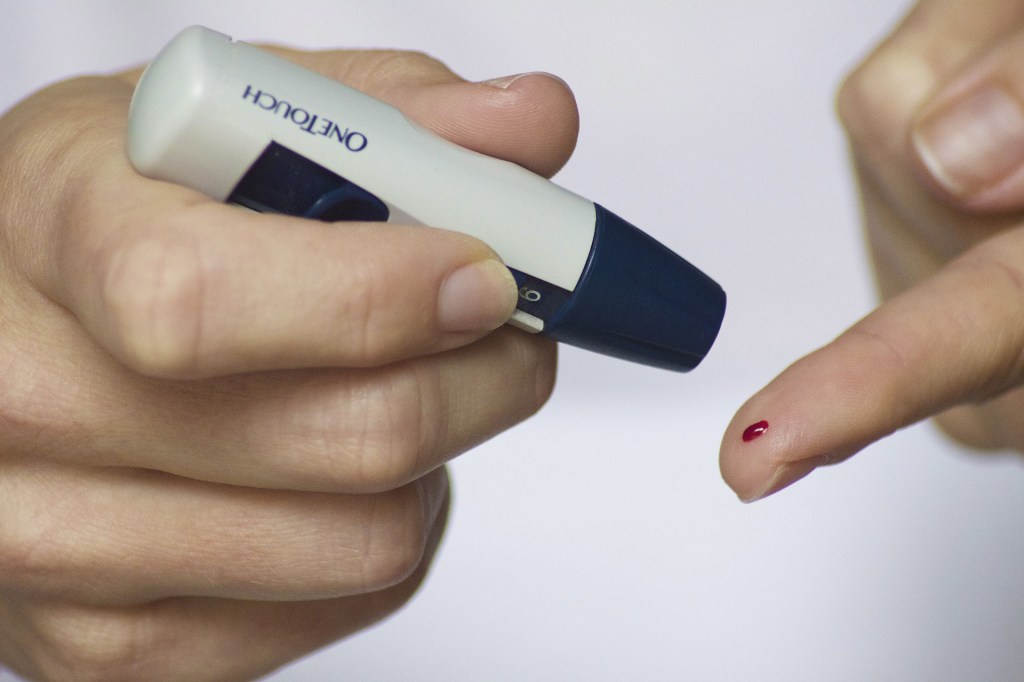




 mission45